


Safety Equipment
What keeps you in place and protects you if something goes wrong on track? Safety equipment brings together helmets, fire-retardant clothing, harnesses, roll cages and nets for you who drive trackdays, motorsport, ATV or motorcycle. The parts need to work together and fit both your body and your car. We have gathered them so you can build up your gear piece by piece.
What each part protects against
Safety equipment works best as a complete system. Helmets protect your head from impacts, while visors and tear-offs – thin layers of film you pull off along the way – keep your view clear. Fire-retardant clothing such as race suits and gloves can give you extra time to get out in a fire. In the car, harnesses hold you firmly in the seat, the cage protects the cabin, and window or cage nets keep arms and head inside in a rollover. A driveshaft loop can prevent a broken driveshaft from striking the ground.
How to choose helmet and clothing
Start with the fit: a helmet should sit snugly without pressure points and must not rock when the strap is fastened. Helmets are also available in youth sizes. Choose your visor according to light conditions, e.g. clear, amber or iridium-coated, and check that it fits your specific helmet series. For clothing, the choice depends on the number of layers, the material and freedom of movement in the seat. Always check which approval, e.g. SFI rating, your event requires for the specific part number. In this category you will find brands such as Bell, OMP and SPARCO, and from Answer, e.g. Syncron Raceday jerseys in several sizes.
Cage, harnesses and nets in the car
A roll cage must fit your specific body shell, and installation typically requires welding or bolt-in plates as well as room for seat and harnesses. For harnesses, the choice depends on the number of mounting points, strap width, buckle type and whether the car has the right mounting points. Whether cage, harnesses and nets are approved for your class or for road use depends on the product and the car, so check the approval for the specific part number.
Maintenance and replacement
Harnesses, helmets and clothing age even when not in use. Check straps for frayed edges and buckles for wear, and follow the manufacturer's washing instructions so the fire-retardant properties are not weakened. A helmet that has taken a hard impact should be replaced, even if the damage cannot be seen. The same principles apply to ATV and motorcycle, where you will also find brands such as Gaerne.
Frequently asked questions
What should I get first for a trackday?
Typically you start with a helmet and gloves, because they protect you in any car. Harnesses, seat and possibly a cage can come later, depending on how much you rebuild the car in your project.
Is the equipment approved for racing?
That depends on the product and the regulations for your class, so always check the approval, e.g. SFI rating, for the specific part number and compare it with your organiser's requirements.
When should harnesses be replaced?
Replace harnesses after an accident, if the straps are frayed, or if the buckle is stiff. How long a harness may be used in competition is something you should check for the specific part number and your regulations.
Can a visor be used on all helmets?
No, visors and tear-off posts are typically made for specific helmet series, e.g. the Pro or Vesta series. Check that visor and helmet match, and choose a tinted or clear visor according to the light conditions.

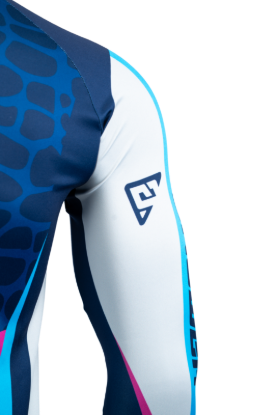
Answer Syncron Raceday Jersey Dark Blue/Cyan/Grey/Purple - 2XL
ans550609
Answer Syncron Raceday Jersey Dark Blue/Cyan/Grey/Purple - 2XL
51,66 € excl. VAT

Answer Syncron Raceday Jersey Dark Blue/Cyan/Grey/Purple - Large
ans550607
Answer Syncron Raceday Jersey Dark Blue/Cyan/Grey/Purple - Large
51,53 € excl. VAT

Answer Syncron Raceday Jersey Dark Blue/Cyan/Grey/Purple - Medium
ans550606
Answer Syncron Raceday Jersey Dark Blue/Cyan/Grey/Purple - Medium
51,49 € excl. VAT
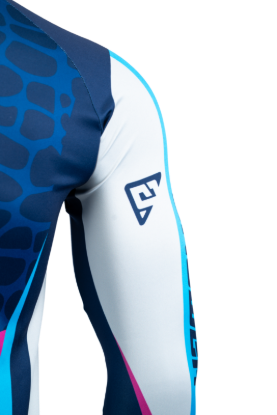
Answer Syncron Raceday Jersey Dark Blue/Cyan/Grey/Purple - Small
ans550605
Answer Syncron Raceday Jersey Dark Blue/Cyan/Grey/Purple - Small
51,46 € excl. VAT

Answer Syncron Raceday Jersey Dark Blue/Cyan/Grey/Purple - XL
ans550608
Answer Syncron Raceday Jersey Dark Blue/Cyan/Grey/Purple - XL
51,65 € excl. VAT

Answer Syncron Raceday Jersey Dark Blue/Cyan/Grey/Purple - XS
ans550604
Answer Syncron Raceday Jersey Dark Blue/Cyan/Grey/Purple - XS
51,44 € excl. VAT
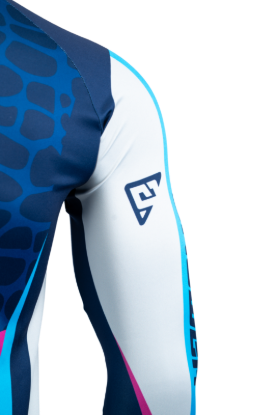
Answer Syncron Raceday Jersey Dark Blue/Cyan/Grey/Purple Youth - Large
ans550671
Answer Syncron Raceday Jersey Dark Blue/Cyan/Grey/Purple Youth - Large
49,11 € excl. VAT
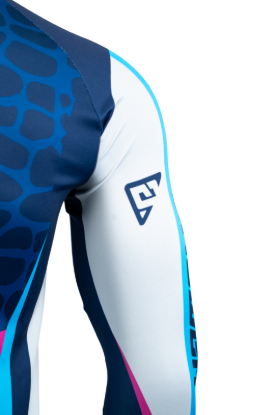
Answer Syncron Raceday Jersey Dark Blue/Cyan/Grey/Purple Youth - Medium
ans550670
Answer Syncron Raceday Jersey Dark Blue/Cyan/Grey/Purple Youth - Medium
49,03 € excl. VAT

Answer Syncron Raceday Jersey Dark Blue/Cyan/Grey/Purple Youth - Small
ans550669
Answer Syncron Raceday Jersey Dark Blue/Cyan/Grey/Purple Youth - Small
49,01 € excl. VAT

Answer Syncron Raceday Jersey Dark Blue/Cyan/Grey/Purple Youth - XL
ans550672
Answer Syncron Raceday Jersey Dark Blue/Cyan/Grey/Purple Youth - XL
49,16 € excl. VAT

Answer Syncron Raceday Jersey Dark Blue/Cyan/Grey/Purple Youth - XS
ans550668
Answer Syncron Raceday Jersey Dark Blue/Cyan/Grey/Purple Youth - XS
48,97 € excl. VAT

Answer Syncron Raceday Jersey Yellow/Navy/Cyan/White - 2XL
ans550623
Answer Syncron Raceday Jersey Yellow/Navy/Cyan/White - 2XL
52,01 € excl. VAT

Answer Syncron Raceday Jersey Yellow/Navy/Cyan/White - Large
ans550621
Answer Syncron Raceday Jersey Yellow/Navy/Cyan/White - Large
51,74 € excl. VAT

Answer Syncron Raceday Jersey Yellow/Navy/Cyan/White - Medium
ans550620
Answer Syncron Raceday Jersey Yellow/Navy/Cyan/White - Medium
51,53 € excl. VAT

Answer Syncron Raceday Jersey Yellow/Navy/Cyan/White - Small
ans550619
Answer Syncron Raceday Jersey Yellow/Navy/Cyan/White - Small
51,72 € excl. VAT

Answer Syncron Raceday Jersey Yellow/Navy/Cyan/White - XL
ans550622
Answer Syncron Raceday Jersey Yellow/Navy/Cyan/White - XL
51,65 € excl. VAT

Answer Syncron Raceday Jersey Yellow/Navy/Cyan/White - XS
ans550618
Answer Syncron Raceday Jersey Yellow/Navy/Cyan/White - XS
51,71 € excl. VAT

Answer Syncron Raceday Jersey Yellow/Navy/Cyan/White Youth - Large
ans550683
Answer Syncron Raceday Jersey Yellow/Navy/Cyan/White Youth - Large
49,08 € excl. VAT

Answer Syncron Raceday Jersey Yellow/Navy/Cyan/White Youth - Medium
ans550682
Answer Syncron Raceday Jersey Yellow/Navy/Cyan/White Youth - Medium
49,04 € excl. VAT

Answer Syncron Raceday Jersey Yellow/Navy/Cyan/White Youth - Small
ans550681
Answer Syncron Raceday Jersey Yellow/Navy/Cyan/White Youth - Small
49,02 € excl. VAT

Answer Syncron Raceday Jersey Yellow/Navy/Cyan/White Youth - XL
ans550684
Answer Syncron Raceday Jersey Yellow/Navy/Cyan/White Youth - XL
49,45 € excl. VAT

Answer Syncron Raceday Jersey Yellow/Navy/Cyan/White Youth - XS
ans550680
Answer Syncron Raceday Jersey Yellow/Navy/Cyan/White Youth - XS
49,00 € excl. VAT

Answer Syncron Raceday Pants Dark Blue/Cyan/Grey/Purple Size - 28
ans550610
Answer Syncron Raceday Pants Dark Blue/Cyan/Grey/Purple Size - 28
144,66 € excl. VAT